We live under the illusion that art resides solely inside the gilded frames of museums, frozen within marble, or trapped behind glowing screens. We treat it as a destination, a rare event, a degree printed on parchment, or a subject confined to a classroom timetable. Yet the world is perpetually humming with an invisible craft that escapes these narrow borders. Art is the subtle fabric of existence itself, woven through the quiet habits and unrepeatable moments of our daily movement.
To see art only when it is put on display is to miss the masterpiece of being alive. The true studio is not a room with north-facing light; it is the space between a morning breath and the waking mind. It is in the deliberate slowness of pouring water over roasted beans, watching the dark tide bloom and release its warmth into the air. It is in the architecture of a stride as we navigate a crowded street, stepping into the geometry of a shared pace without ever speaking a word.
When we speak of the art of living, or the art of conversation, or the art of letting go, we are acknowledging a profound truth that our systems often forget. Art is an orientation toward the world. It is a way of paying attention so fiercely that the ordinary turns translucent. A carefully mended seam in an old coat is a testament to care. A thoughtful pause in the middle of a heated argument is a sculpture made of silence and restraint. The way sunlight settles on a wooden tabletop at mid-afternoon is a painting that paints itself, exists for five minutes, and dissolves forever.
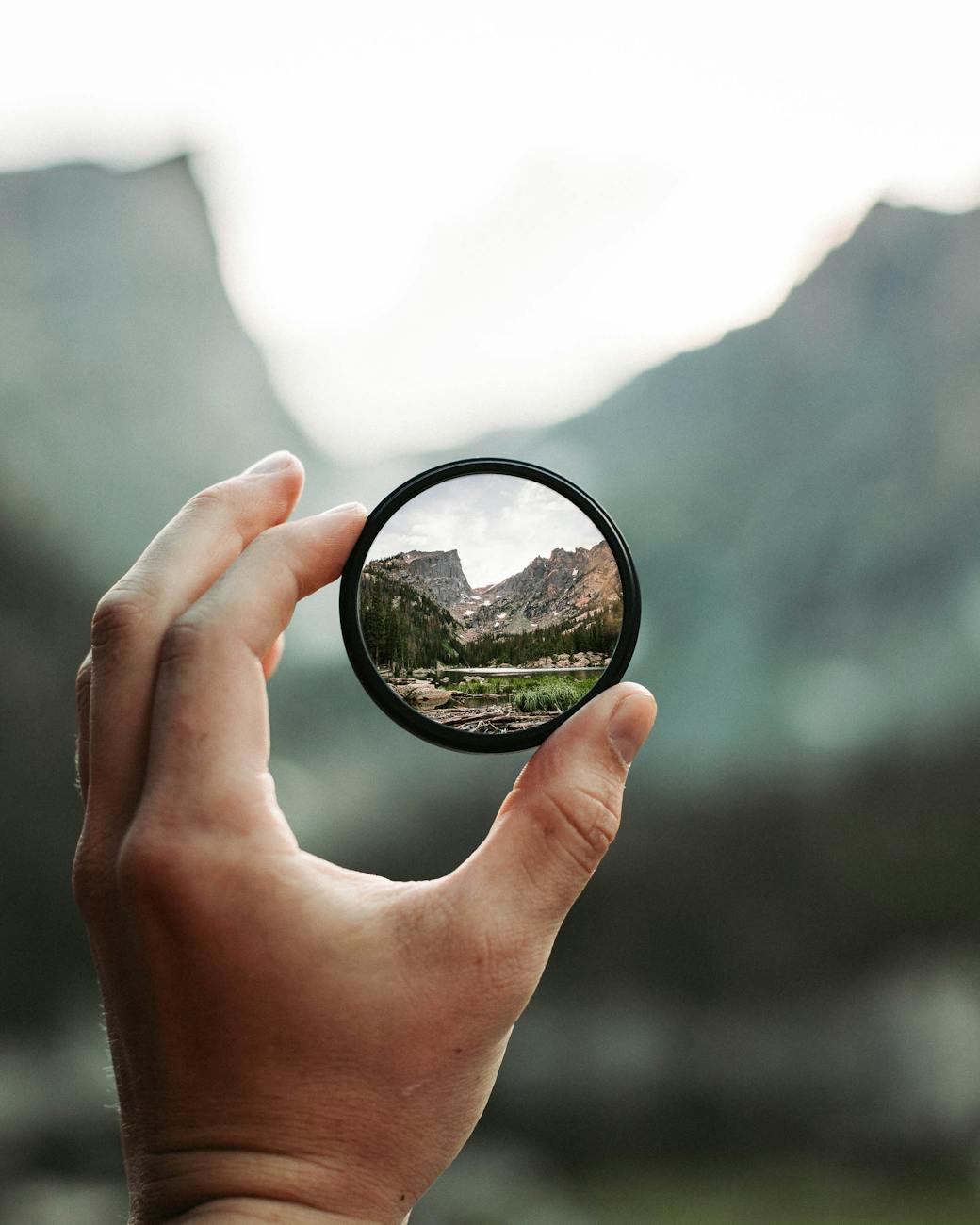
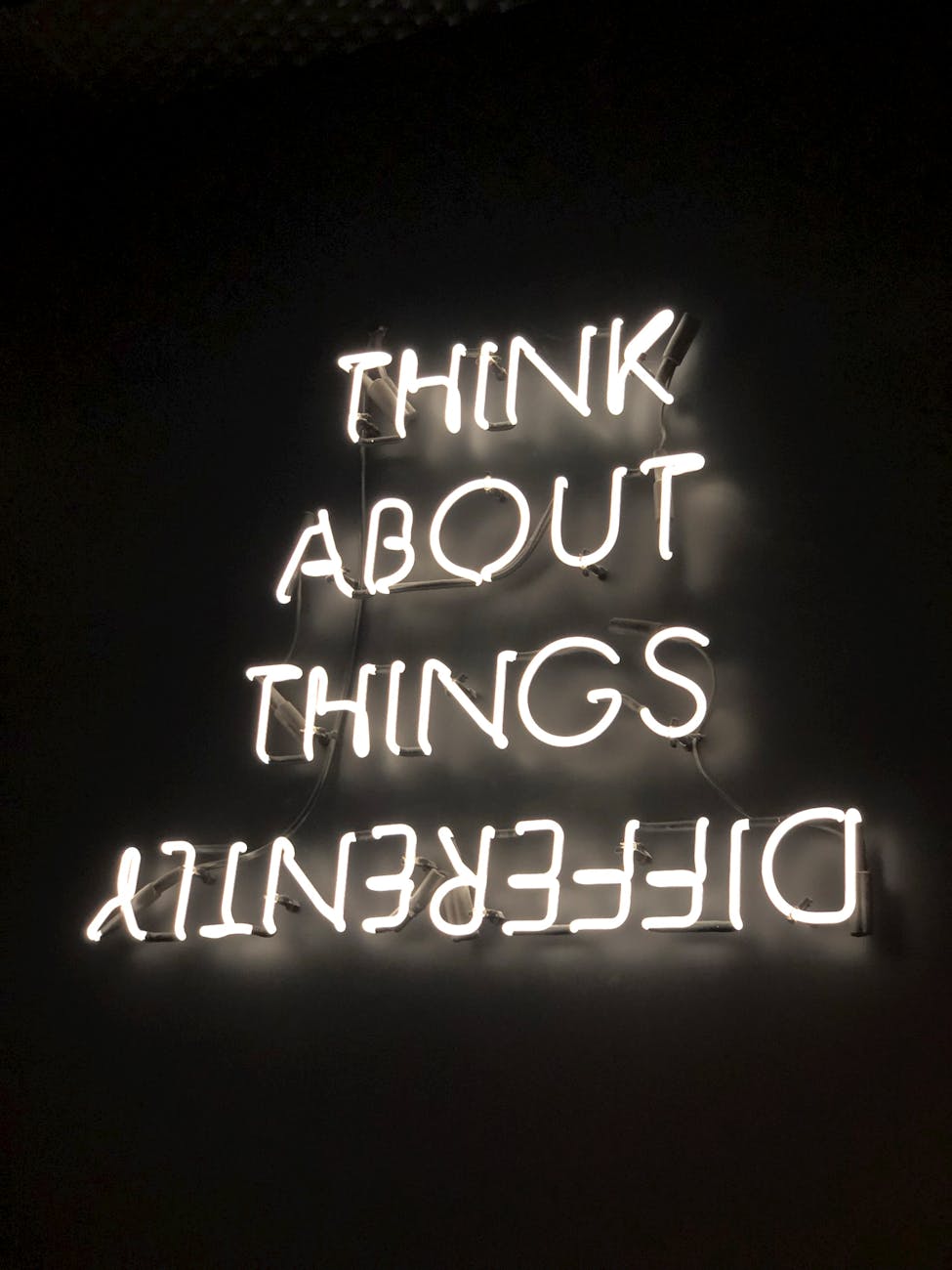
Filling the gap between art as an academic category and art as a living nutriment requires nothing more than shifting our gaze. It asks us to adjust the internal lens from passive consumption to active presence. We become weavers the moment we notice the grain of a leaf, the cadence of an elder’s voice, or the balance required to carry a full cup across a quiet room. Every small choice to bring grace, awareness, and intent into an unremarkable chore elevates that chore into a practice.
When we stop viewing art as a product to buy or an object to analyze, it becomes a vehicle that carries us through grief, an aging well cosmetic that softens the harshness of time, and an everyday garment we put on simply by opening our eyes. The gallery is already open. It is the sunrise that catches the edge of a kitchen counter, the tempo of a storm against the windowpane, and the final soft stretch before sleep claims the day.