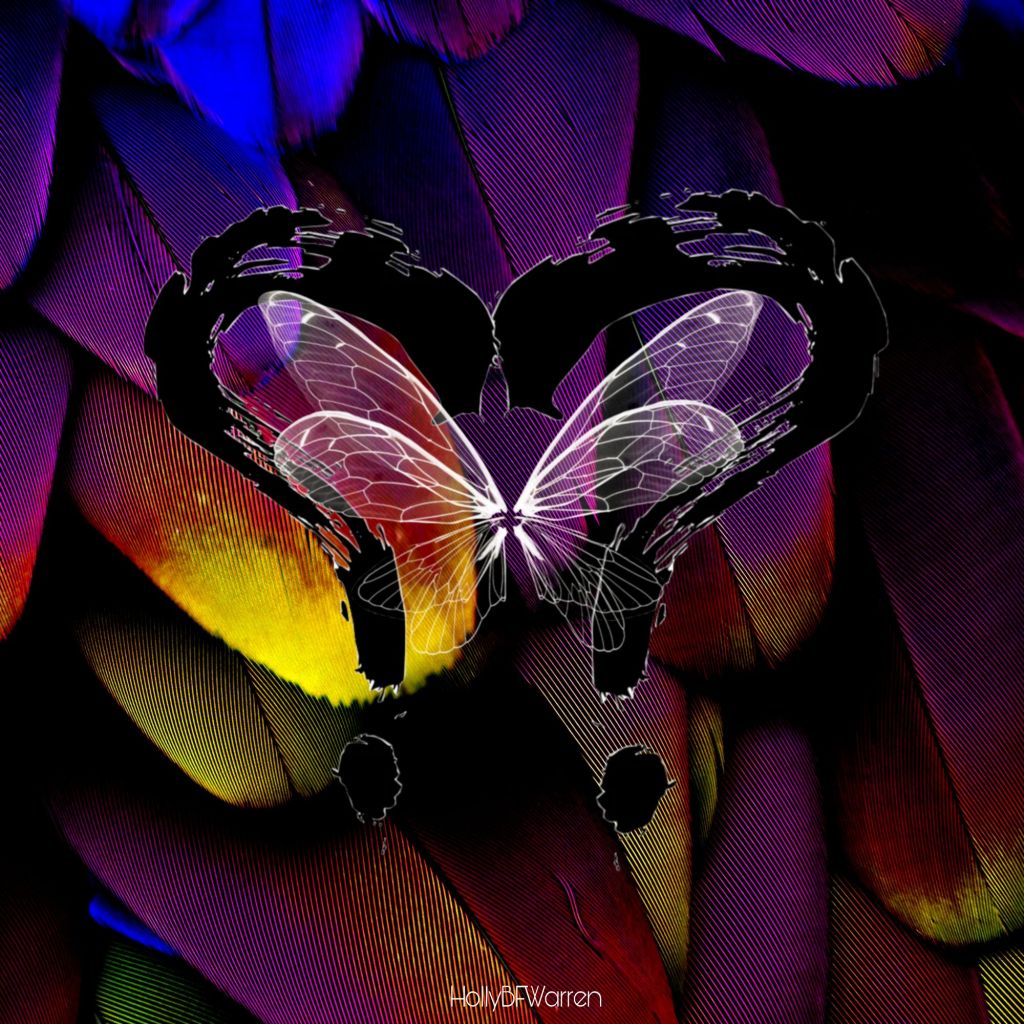
Some things are born with a question mark instead of a heartbeat but look closer, and you’ll see that the question mark is actually a pair of wings.
This is the sacred uncertainty of the beginning. When a work of art, a project, or even a life begins with a tilt or a tremor, it isn’t a sign of failure; it is the space where imperfection is given the chance to grow into great opportunity. These “flaws” are not dead ends; they are the lift and the draft that allow a vision to take flight.
The Wisdom of the Rough Sketch
Think of the first draft or the underpainting. It is often clumsy, disproportionate, and loud. If we approached the world with a rigid heart, we would discard these “failures” immediately.
However, true creation requires a specific kind of holy open-mindedness. It is the ability to look at a jagged line and, instead of seeing a mistake, seeing an invitation.
- The Sculptor doesn’t fight the crack in the marble; they allow the vein to become the flow of a garment.
- The Painter doesn’t erase the accidental drip; they let it dictate the gravity of the entire sky.
This is where imagination transcends mere “idea-making.” Imagination is the bridge between what a thing is and what it could be. It is the courage to stay in the room with an imperfect thing until those initial “question marks” begin to beat against the air.
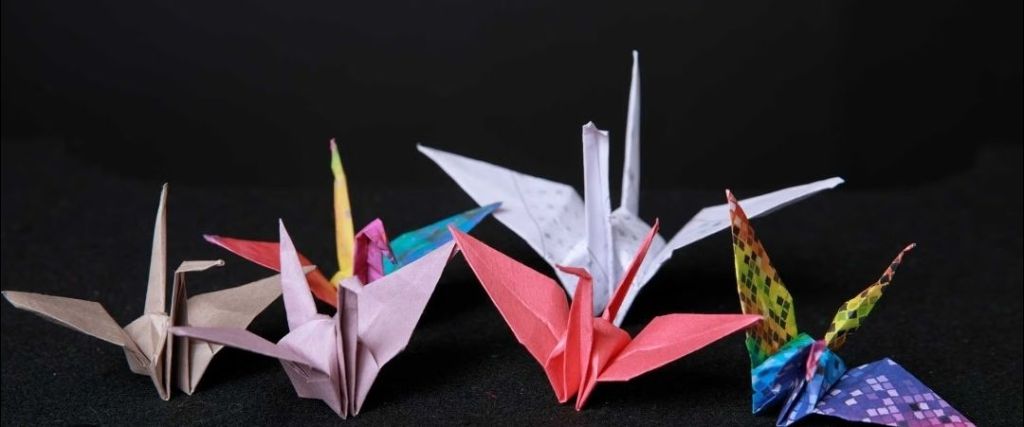
The “Orizuru” of the Soul
There is a profound beauty in things that find their rhythm “along the way.” When a piece of art is born imperfect, it possesses a narrative. It has a history of correction, a series of scars that have been gilded into ornaments.
When we allow a work to evolve from its flaws, we move away from the sterile and toward the organic. Perfection, in this sense, isn’t the absence of a mistake—it is the resolution of one. It is the moment when the discord finally finds its harmony, not by being silenced, but by being understood.