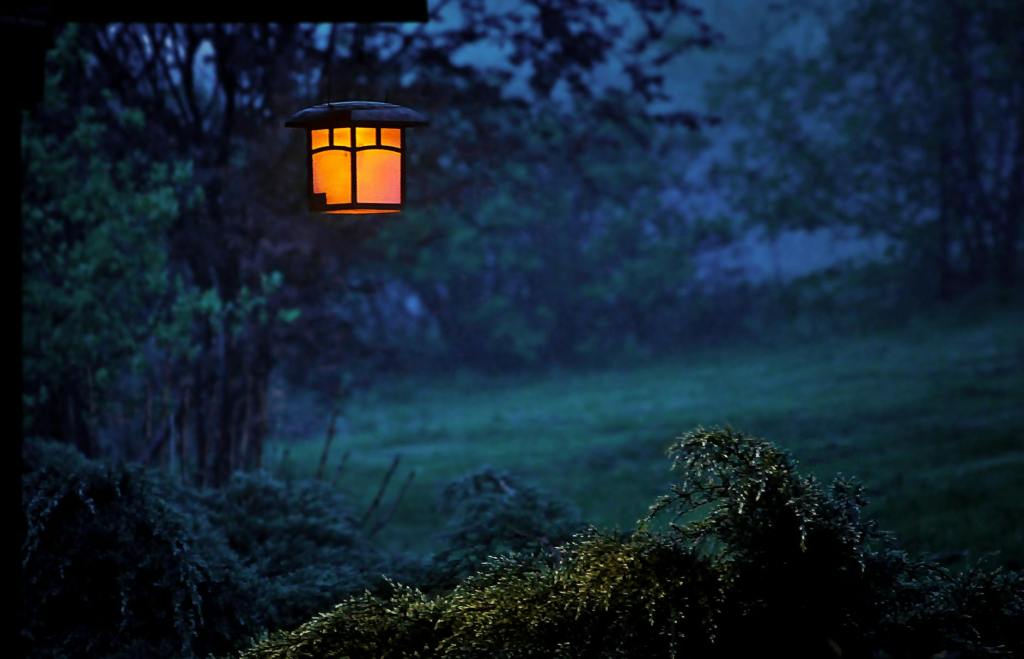
Daydream or nightscape?
The Dual Loom of Consciousness
The human experience is perpetually woven on two distinct looms: the daytime reality and the nocturnal imagination.
During the day, our minds are subject to the fierce scrutiny of the external world. The day is the domain of the waking reality, characterised by sensory input, linear causality, and practical demands. It is the time of concrete goals, quantifiable tasks, and shared, agreed-upon facts. It forces us into a state of conscious and rational engagement, making us feel grounded, yet often restricted by its limitations.
The Unconscious Navigator
Night, however, offers a powerful, enveloping reprieve. As the conscious guard drops, the unconscious mind steps forward as the primary navigator. The night is a boundless, creative field—a blanket of imaginative possibilities. It is here, often in the form of dreams, that we walk through surreal landscapes, confront symbolic figures, and process emotional residue from our waking hours. The unconscious doesn’t speak in facts but in metaphor and emotion, revealing hidden desires, fears, and connections.
We often wake up puzzled by our night wandering, left with fragmented narratives or strong, lingering feelings that defy daylight logic. This bewilderment stems from the clash between the rational, linear thinking of the day and the non-linear, associative logic of the night.
The Inverse Experience
Crucially, this dynamic isn’t universal. For some individuals, particularly those engaged in intense creative or contemplative work, the roles may be reversed. The day’s structured demands can feel like an oppressive dream from which they long to escape, viewing their conscious responsibilities as fleeting distractions. For them, the night a quiet, focused time free from interruption can be the period of sharpest clarity and most tangible reality, where the truest work and deepest self-awareness occur. They find their reality not in the sun, but in the silence.
Would you like a brief explanation of common dream theories?


 Holly B.F. Warren
Atelierista Artist Mind Wanderer Writer Optimist
Holly B.F. Warren
Atelierista Artist Mind Wanderer Writer Optimist 